Touring
What to Look for When Touring an Apartment: The Complete Checklist
What to look for when touring an apartment, room by room, plus what to bring, how to tour, and how to compare apartments side by side after.

By Brandon Rogers
· 10 min read
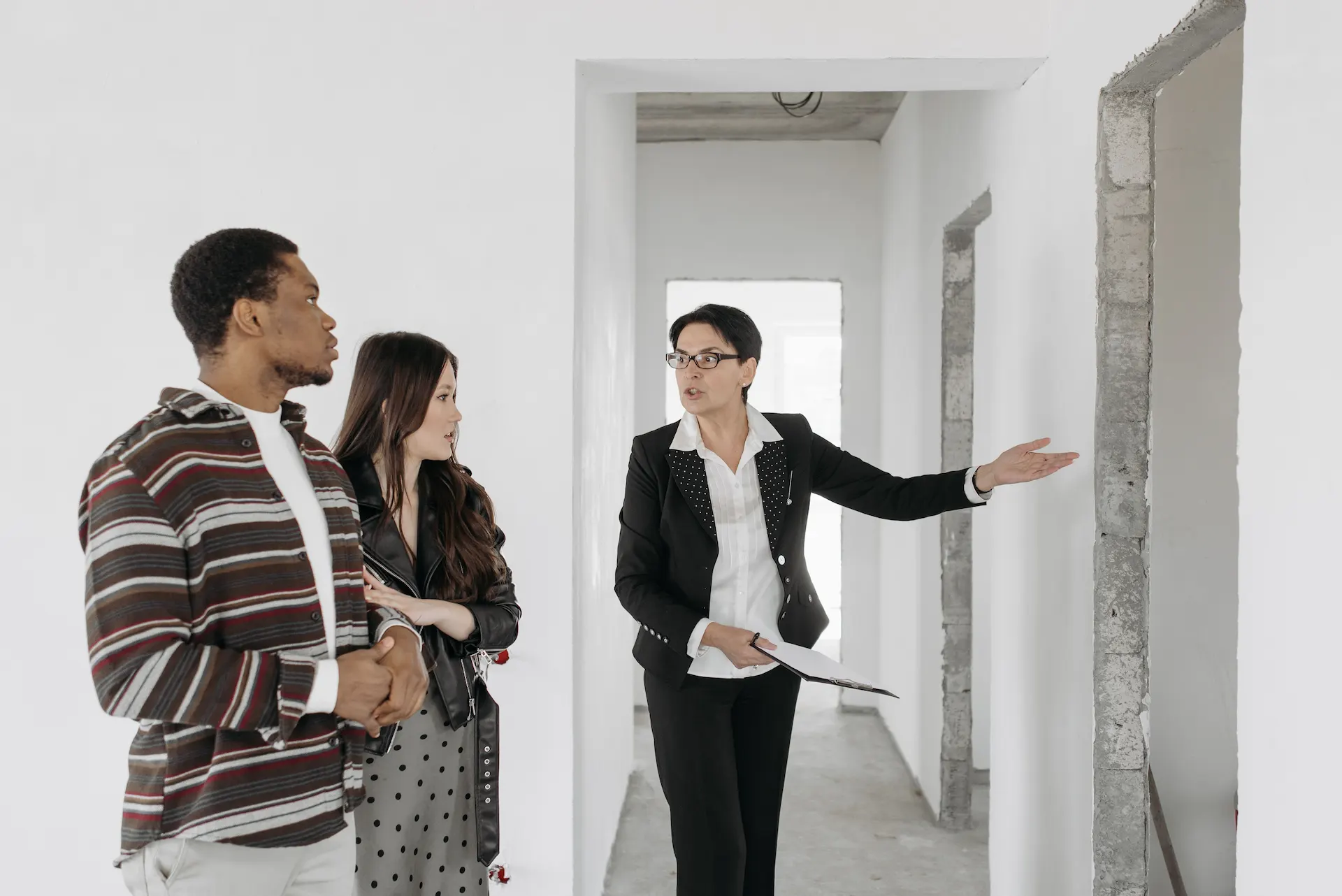
An apartment tour lasts about fifteen minutes. The lease lasts twelve months. That gap is why the tour matters and why "it looked nice" isn't a review (trust us).
What to look for when touring an apartment: test the water, heat, A/C, outlets, and appliances; look for leaks, mold, pests, and damage; check the locks, windows, and detectors; and size up the building's parking, noise, and upkeep. Then score the place before you leave so you can compare it fairly against the others in TAC!
Below is the full checklist we built into the TAC app: what to bring, how to run the tour, what to check room by room, and how to compare apartments once the tours are done.
What to bring to an apartment viewing
Bring your phone, a tape measure, your ID, and a written list of must-haves. If the market is competitive, also bring what you'd need to apply on the spot. Here's the full list:
- A fully charged phone. It's your camera, notepad, flashlight, and outlet tester.
- A tape measure. Measure where your bed, couch, and desk would go. The listing's square footage ain't gonna tell you if your sectional fits.
- Photo ID. Many leasing offices ask for it before a tour.
- Your must-haves and your budget, written down, so a nice view doesn't talk you out of your dealbreakers.
- Your questions. We keep a full list of questions to ask on an apartment tour.
- Application documents (pay stubs, references, a previous landlord's contact) if you might apply the same day.
- A second set of eyes. A friend or partner notices what you miss.
How to tour an apartment: before, during, and after
Most renters research a lot of places but only see a few in person.
10 → 3
Renters research an average of 10 properties but seriously consider just 3.
With only a few real contenders, each tour has to count. The best way to tour an apartment is to treat it like a test drive: book a time that shows you real conditions, test how things work instead of how they look, and record your impressions before you leave the parking lot.
- Book the right unit. Ask which unit you'll see. A model is a showroom. Tour the unit you'd actually lease, or one with the same floor plan and floor.
- Book the right time. A weekday evening between 5:00 and 7:00 p.m. shows you noise, parking, and how busy the amenities are. A Saturday at 11:00 a.m. hides most of it.
- Do the inspection yourself. The leasing agent's job is to keep the tour moving. Yours is to slow down and use the checklist below.
- Take photos and notes as you go, room by room. In TAC, they're saved privately to that unit's tour, so they're not lost in your camera roll.
- Score it before you leave. Rate it while it's fresh, then compare later.
If you can't tour in person
Plenty of renters sign sight unseen: 40% say they're likely to. If you're moving from out of town, ask for a live video tour of the exact unit and have the agent run the water, open the cabinets, and point the camera out the windows. Never send a deposit for a place nobody you trust has seen. In an Apartment List survey, 43.1% of renters had come across a listing they suspected was a scam.
What to look for when touring an apartment, room by room
Focus on what's expensive or annoying to live with and easy to miss in fifteen minutes: water, climate control, appliances, condition, security, and connectivity. Cosmetic stuff is easy to judge from photos; these aren't. They also matter to other renters: 57% of renters say concerns about a unit's maintenance or condition are a deal-breaker.
Water & plumbing
Water problems are honestly the costliest surprises and the easiest to miss on a tour.
- Run the hot water in the kitchen and bathroom. Time how long it takes to get hot.
- Check water pressure in the shower, not just the sink.
- Flush the toilet. Does it refill properly or just keep running?
- Look under the sinks for water stains, warped cabinet floors, or a musty smell.
- Check ceilings and around windows for stains, especially under bathrooms, and on top floors.
- Look for mold in the caulk around the tub and near the A/C closet.
Heat, A/C & electrical
- Turn on the heat and the A/C, regardless of what season it is. You want to hear both kick on.
- Ask what kind of heating the unit has. Electric baseboard heat can make winter bills much higher than gas (trust us).
- Flip every light switch.
- Test a few outlets with your phone charger. Are there enough in the spots you'd actually use?
- Note which way the windows face. West-facing units get hot afternoon sun.
Kitchen
- Open the fridge and freezer. Cold? Clean door seals?
- Turn on every stove burner and the oven.
- Run the disposal and the vent hood.
- Open the dishwasher and check for rust or standing water.
- Open the cabinets and look in the corners for droppings, traps, or bait stations.
Condition & finishes
- Check floors near doors and in the kitchen for warping, soft spots, or slope.
- Look for cracks, patches, and fresh paint over one spot. A single painted square on a ceiling often means a past leak (sketchy!).
- Ask whether the carpet is replaced or just cleaned between tenants.
- Open the closets. Is there actually room for your stuff?
Doors, windows, & security
- Open and lock every window. Check for screens and drafts.
- Check the front door's deadbolt, peephole, and frame.
- Ask whether locks are changed between tenants.
- Test the balcony or patio door lock. It's often the weakest one.
- Find the smoke and carbon monoxide detectors.
Cell signal & internet
- Check your bars in every room, especially the bedroom and wherever you'd work.
- Ask which internet providers serve the building. Some complexes have only one option or a bulk deal you're required to pay for (it's usually worse than getting your own).
The building
The unit is only half the decision. You're living with the building as well.
- Walk the hallway. Does it smell clean? Is the lighting working?
- Check out parking. Is there a spot for you and what does it cost?
- Check the mailroom and package setup.
- Listen through the walls and ceiling. Is there highway, train, or bar noise?
- Look at the amenities you'd be paying for. Are they open, clean, and working?
Tour on a weekday around 6:00 p.m. That's when you'll hear the neighbors, see whether there's a single open parking spot, and find out if the gym is actually usable after work.
Noise is worth the extra minute. In a HotPads survey, it was the second most common renter regret (25.7%), behind only monthly cost.
Green flags vs. red flags on an apartment tour
Most of what you find falls into one of two columns. Green flags point to a well-maintained, well-managed building. Red flags point to problems that rarely get better after you move in.
| Green flags | Red flags |
|---|---|
| Hot water arrives fast and pressure is strong | Water stains on ceilings or under sinks |
| Hallways and trash areas are clean | A musty smell or heavy air freshener |
| Locks, windows, and detectors all work | Droppings, roach traps, or bait stations |
| You're shown the actual unit | "The unit's not ready, but it's just like the model" |
| Clear, written answers on fees | Vague answers on fees or who handles maintenance |
| Staff can tell you the typical repair time | Fresh paint over one patch of wall or ceiling |
Five questions to ask before you leave
Ask about money, maintenance, and anything that changes after move-in. Five worth asking on every tour:
- What do I pay each month besides rent: parking, trash, pest control, amenity, or "tech" fees?
- How are maintenance requests submitted and how fast are they usually handled?
- What did utilities run for this unit last winter and last summer?
- Are locks changed between tenants?
- What's the policy on renewals and rent increases?
We cover the rest in questions to ask on an apartment tour.
How to compare apartments after your tours
To compare apartments, score each one on the same criteria right after the tour, then compare the total monthly cost, not the advertised rent. Then give yourself a day before you sign.
Score it before you leave
Before you get back in the car, rate the place while it's fresh: overall, value, location, management, safety, condition, layout and storage, noise, natural light, and amenities. Then answer the one question that matters: would you lease here?
Scoring every tour the same way keeps you from going with whichever place you saw last. TAC builds this into the end of every tour: before you can finish, it asks whether you'd lease there, what your main hesitation is (price, condition, location, a better option elsewhere, needing more time, or a specific dealbreaker) and what stood out most, good or bad. Those answers, and the ratings you gave along the way, follow the unit into your comparison table.
Compare total monthly cost, not rent
The advertised rent is only part of the price. Add parking, required fees and estimated utilities, and the "cheaper" apartment often isn't. Here's an example:
| Apartment A | Apartment B | |
|---|---|---|
| Advertised rent | $1,650 | $1,725 |
| Parking | $75 | Included |
| Trash, pest, & amenity fees | $55 | $20 |
| Estimated utilities | $160 (electric heat) | $110 (gas heat) |
| Total per month | $1,940 | $1,855 |
| Over a 12-month lease | $23,280 | $22,260 |
Surprise fees are why so many renters walk away (shock shock).
54%
of renters will cross a property off their list if fees push the price above the advertised rent.
Sleep on it for 24 hours
Leasing offices often push for a same-day application. Unless the market is very tight, take a day. Look over your photos and scores, and check what past tenants say about the complex and its management before you pay an application fee.
Protect your deposit on move-in day
Keep your tour photos, and take new ones on move-in day before you unpack. In Zillow's renter research, only 42% of renters got their full security deposit back from their previous rental. Dated photos of existing damage are your best defense.
The short version
- Bring your phone, a tape measure, your ID, and your must-haves.
- Tour the actual unit, ideally on a weekday evening.
- Test water, heat, A/C, outlets, and appliances.
- Look for leaks, mold, pests, and damage.
- Check locks, windows, detectors, and cell signal.
- Size up the building: parking, noise, packages, and amenities.
- Score it before you leave, then compare total monthly cost.
Fifteen minutes of checking beats twelve months of wishing you had!!
Frequently asked questions
How long should an apartment tour take?
Plan on 30 to 45 minutes: about 15 to 20 minutes in the unit itself and the rest walking the building, parking, and amenities. Leasing agents often keep tours short, so tell them up front that you'd like time to test things.
Can I take photos during an apartment tour?
Yes, and you should! Ask first as a courtesy, then photograph anything you'd want to remember or bring up later: stains, damage, the view, closet space, and the appliances. Photos are the only reliable way to tell units apart after three or four tours.
What should I bring to an apartment viewing?
Bring a fully charged phone (for photos, notes, a flashlight, and testing outlets), a tape measure, a photo ID, and your list of questions, must-haves, and budget. If the complex is competitive, bring proof of income and your references so you can apply the same day.
What are the biggest red flags when touring an apartment?
Water stains on ceilings or under sinks, a musty smell, signs of pests like droppings, or bait traps, fresh paint over one patch of wall, locks that don't work, a leasing agent who won't show you the actual unit, and vague answers about fees or who handles maintenance.
How many apartments should I tour before deciding?
Three to five is the sweet spot for most renters. That's enough to know what a fair deal looks like in your area without every tour blurring together (unless you're using TAC). In NAA's 2024 survey, 42% of renters toured three to five properties.
Should I rent an apartment without seeing it in person?
Only if you can't avoid it and then send someone you trust or ask for a live video tour of the exact unit. Rental scams are common, so never send money for a place you or someone you trust hasn't seen in person.
How do you compare apartments side by side?
The easiest way is to use TAC! Score every apartment on the same criteria right after each tour, then compare the total monthly cost (rent plus parking, fees, and estimated utilities), not just the advertised rent. A comparison table or app keeps the details from blurring together.
Is it OK to tour the same apartment twice?
Yes. A second visit at a different time of day is one of the best ways to check noise, parking, light, and how the building feels when people are home. Leasing offices are used to it, especially from serious applicants.
Sources
- Survey: How Today's Renters Choose a Place (Q4 2025), Apartments.com
- 8 Renter Deal-Breakers to Avoid, Apartments.com
- The Resident Search Journey (2024), National Apartment Association
- Renters: Results from the Zillow Consumer Housing Trends Report 2023, Zillow Research
- Renters Wish They Chose a Cheaper, Less Noisy Apartment (2017), HotPads / Ipsos
- How Common Is Rental Fraud?, Apartment List